


This article first appeared in the Marketing Fix newsletter by Karola Karlson (me). Subscribe here for a bi-weekly (Fridays) delivery of hands-on marketing tactics based on 12y of growth roles in 50+ tech companies in the EU, UK, and US.
The best marketers don’t excel in one single channel.
It’s not about being a t-shaped marketer, either.
And it’s also not about good taste, as the business media and influencers have been touting for the past six months.
What makes a good marketer is the ability to learn and adapt.
Let me explain.
Between 2015 and 2026, Meta ads became 5-10x more expensive, and AI killed 90% of organic website traffic from Google.
But it doesn’t mean that paid social ads or content marketing no longer work.
Marketers just need to approach these channels differently.
Facebook and Instagram ads now require different ad formats, and higher-quality designs that communicate more, faster.
Content marketing, when done on a website, still requires a high domain authority and fast loading speeds. Your articles still need to rank in top Google 1-5 spots to be picked up by AI tools and listed in query replies. You just need to track the results differently.
But the truly efficient content marketing now happens in newsletters and social media posts.
This necessity to adapt (to new technologies and trends) also applies to early-stage brand, marketing, and growth.
The principles are 100% the same in 2026 as they were back in 2015.
So w/o further ado, here they are.
10 principles of brand, marketing, and growth for early-stage companies
After helping 50+ European tech startups with early-stage growth, here are the key learnings that I continuously bring to all new projects.
Brand:
- Invest in strong (enough) brand early.
- Understand your ICP (ideal customer profile).
- Create what your ICP wants.
Marketing:
- Focus on 2-3 marketing channels.
- Copy what works for other brands.
- Prioritise quality over quantity.
- Multiply your marketing budget 5-10x.
Growth:
- Build growth loops. 1 user » 1.5-2.5 users.
- Run 2 experiments/month, minimum.
- Don’t worry about monetisation (just yet).
Bonus: Hire top experts & excited beginners.

1. Invest in strong (enough) brand early
In my humble opinion, the biggest mistake that early-stage startups make is not investing in a strong brand.
This is especially true in Eastern Europe and the Baltics.
“It’s the product that people care about,” the practical mind says.
And I do agree. The product does have to be great. However, the same applies to your brand.
Why?
Imagine meeting a new person. You either like them or not.
It’s exactly what happens when you go to a company’s website (or App Store page) for the first time.
You either like the brand or you don’t.
As an early-stage company, you only have one chance to make a good first impression with each potential customer.
People don’t return to brands they didn’t like in the first place. (Either because of a cheap-looking brand or bad product experience.)
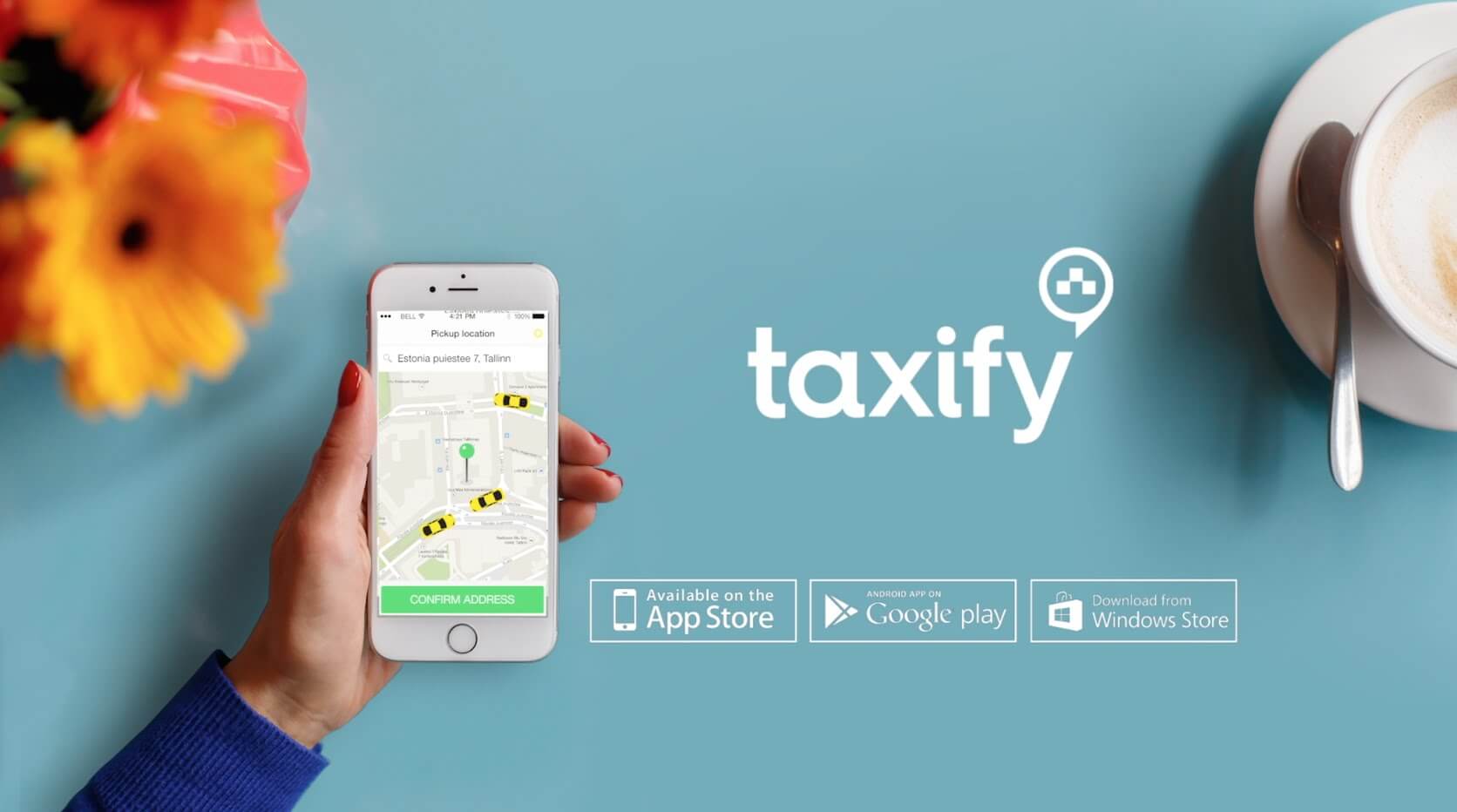
If I could do one thing differently in early-stage Taxify (now Bolt)…
Bolt now has a world-class brand.
In hindsight, I wish we’d invested in a high-quality brand that looks trustworthy to people in Western Europe, too.
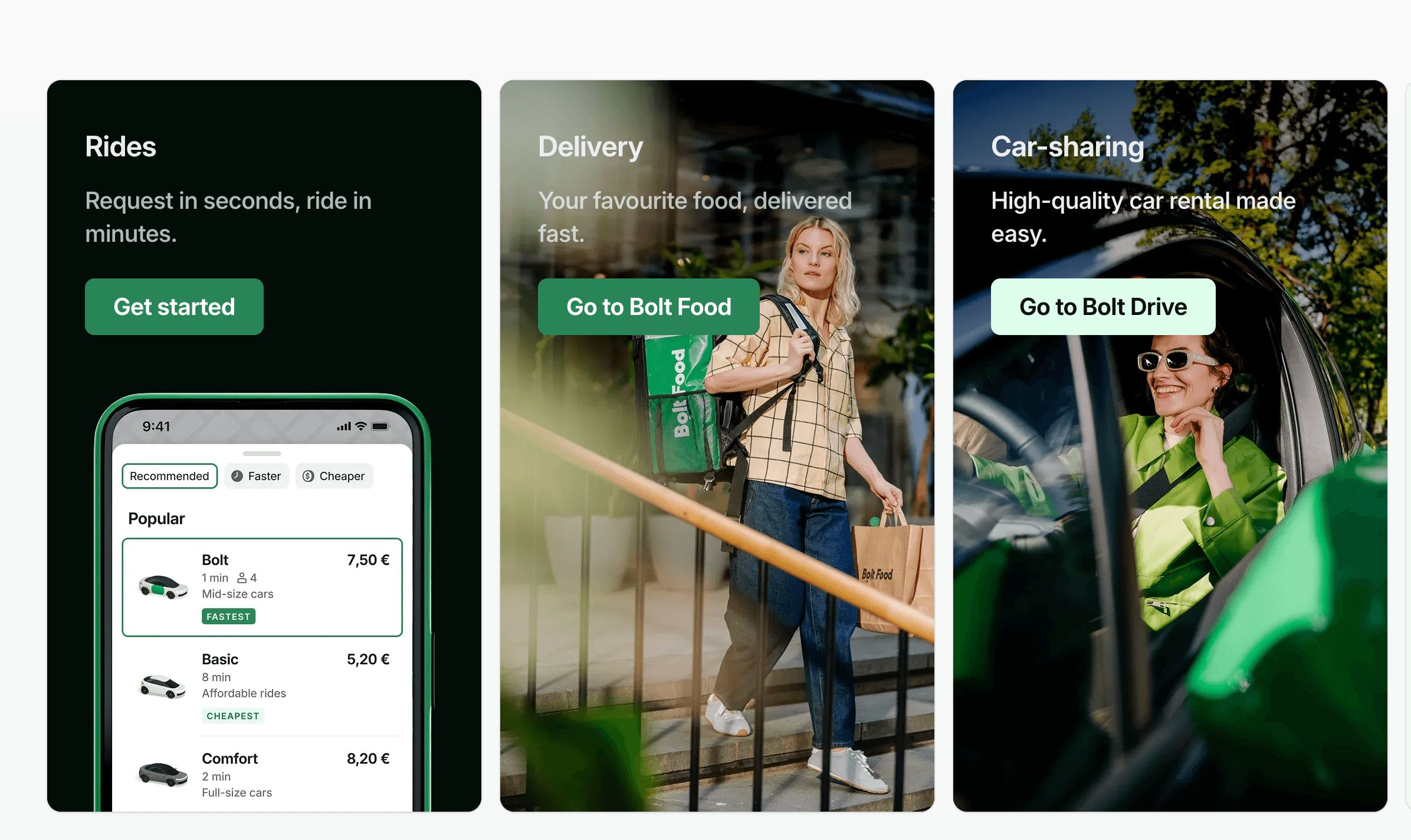
But I can’t help but think that we’d grown much faster in London and Paris, had we launched there w/ a higher-quality brand.
2. Understand your ICP (ideal customer profile)
In order to build a successful product and brand, you need to understand your target audience.
Who is your ICP – ideal customer profile? Is there a clear understanding about it across the organisation?
The ICP is focused on your most valuable customers and prospects who are also most likely to buy.
When you google customer persona development guides, they often look like personal CVs.
This is not a sufficient way to define a customer persona.
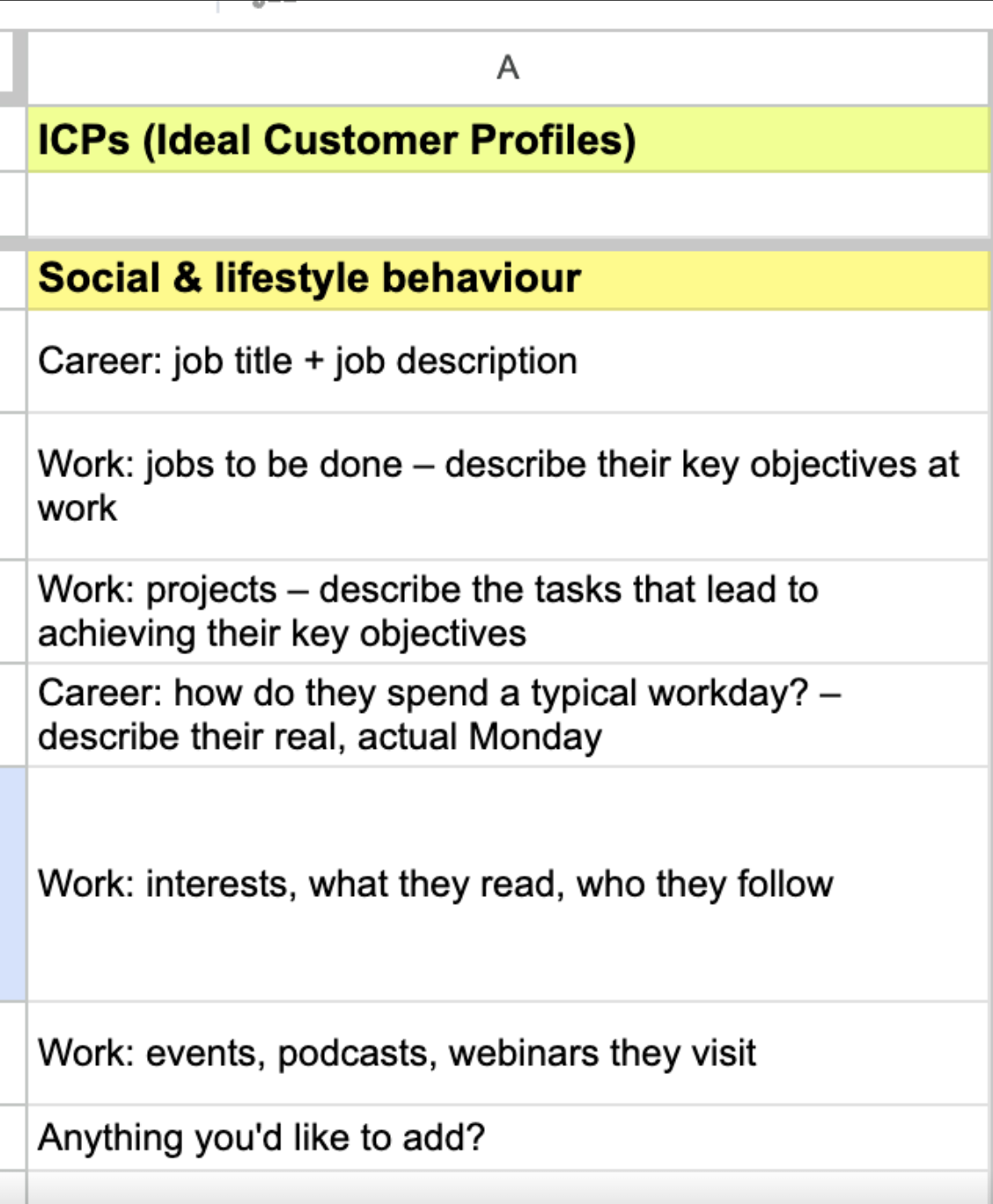
You want to have a deeper understanding of their behavioural patterns, lifestyle, everyday struggles and needs, touchpoint marketing channels, etc.
Below is 1/10 of the ideal customer persona mapping sheet I use on early-stage brands.
3. Create what your ICP really wants
This is true for both your product features and marketing assets.
The not-so-nice truth about working w/ early-stage companies is watching many of them creating a product that nobody wants or needs.
On the marketing side, once you know your ICPs (ideal customer personas), you can develop value propositions that:
- … are actually useful and relevant to them.
- … you can truly deliver on.
- … differentiate you from the competition.
Both your product and marketing should solve your ICP’s pain points.
And by pain points I mean a pain so great they’re willing to break the status quo and give your product a go.
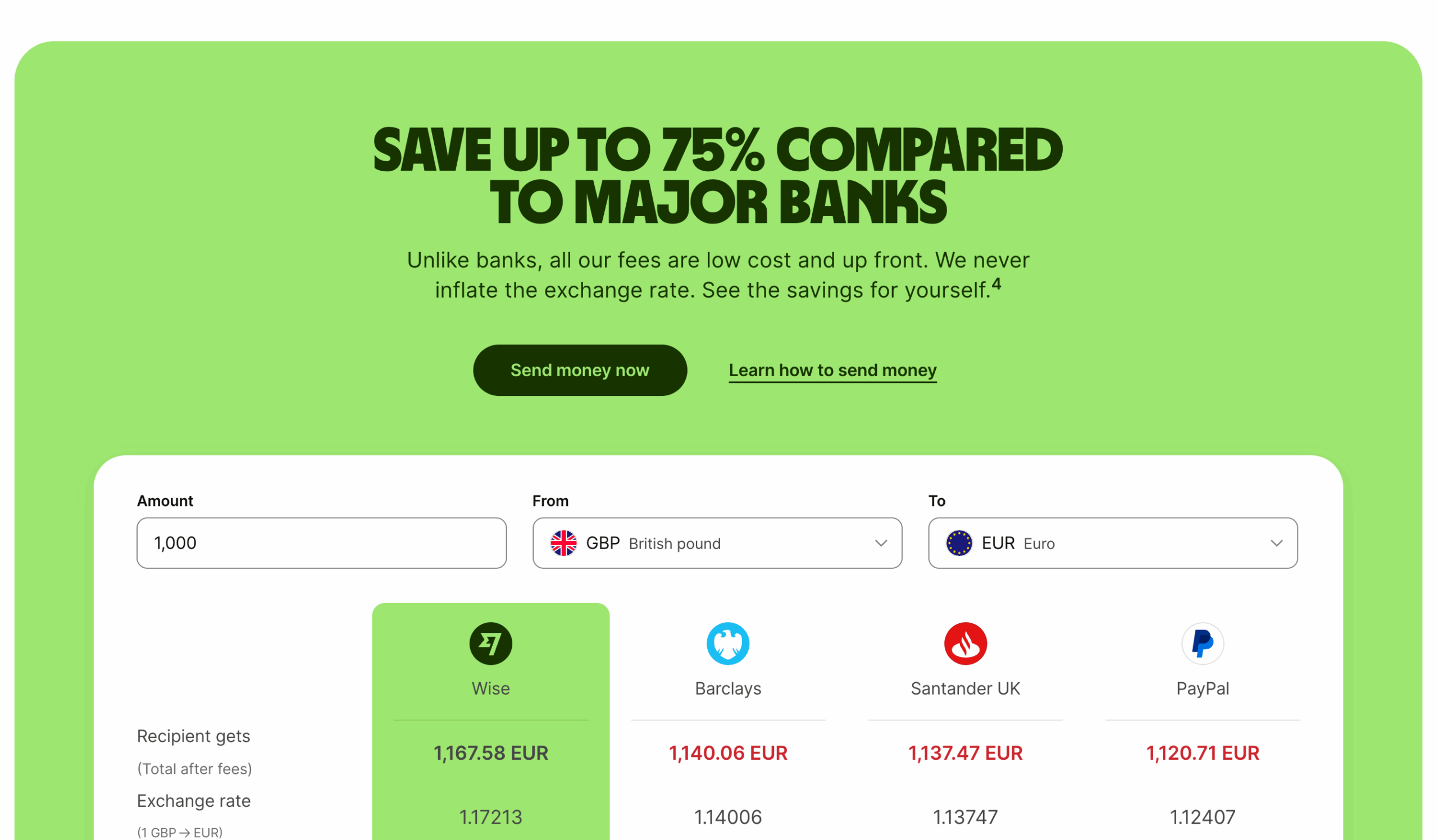
For example, Wise knows their ICP’s main goal is to save money on transfers.
They’ve added a comparison of major banks right on their home page.
4. Focus on 2-3 marketing channels
… instead of doing 10+ channels badly.
I often have to negotiate w/ CEOs who’ve read some LinkedIn post about a new marketing channel X and think we need to try it.
“But why do you think it’s more efficient than our current channels that deliver positive ROAS?”
Silence.
Especially in early stage, when the founding team members’ time is your most valuable asset, it’s practical to focus on fewer marketing channels.
Choose 2-3 marketing channels that reach the maximum number of your ICPs.
In B2C, it could mean organic social media, and paid social (Meta) ads. Or an OOH marketing campaign. Or PR stunts. Or Reddit. Or building a content system that helps your product get referred by AI tools.
In B2B, LinkedIn (organic + paid), content marketing optimised for AI agents, and marketing-supported sales outreach work well. Partnerships and affiliate programmes also, when executed well, return a high ROI.
As a performance marketer who loves to experiment w/ ad designs, I usually start from paid social (Meta + LinkedIn) to launch user acquisition fast. Later, I add a few additional channels, depending on the ICP and product.
5. Copy what works for other brands
There’s no such thing as innovation or uniqueness in contemporary marketing. It’s all tried and tested tactics and channels.
What matters is how you approach each channel.
Research what’s working for other brands.
Don’t copy your competitors, but other brands who target your ICPs.
The easiest way is to check their website, social media channels, and paid ad libraries (Meta and LinkedIn).
See where they invest most.
Is it content, creators, partnerships, paid ads, organic social, live events, webinars, etc.? Is their sales team active on LinkedIn?
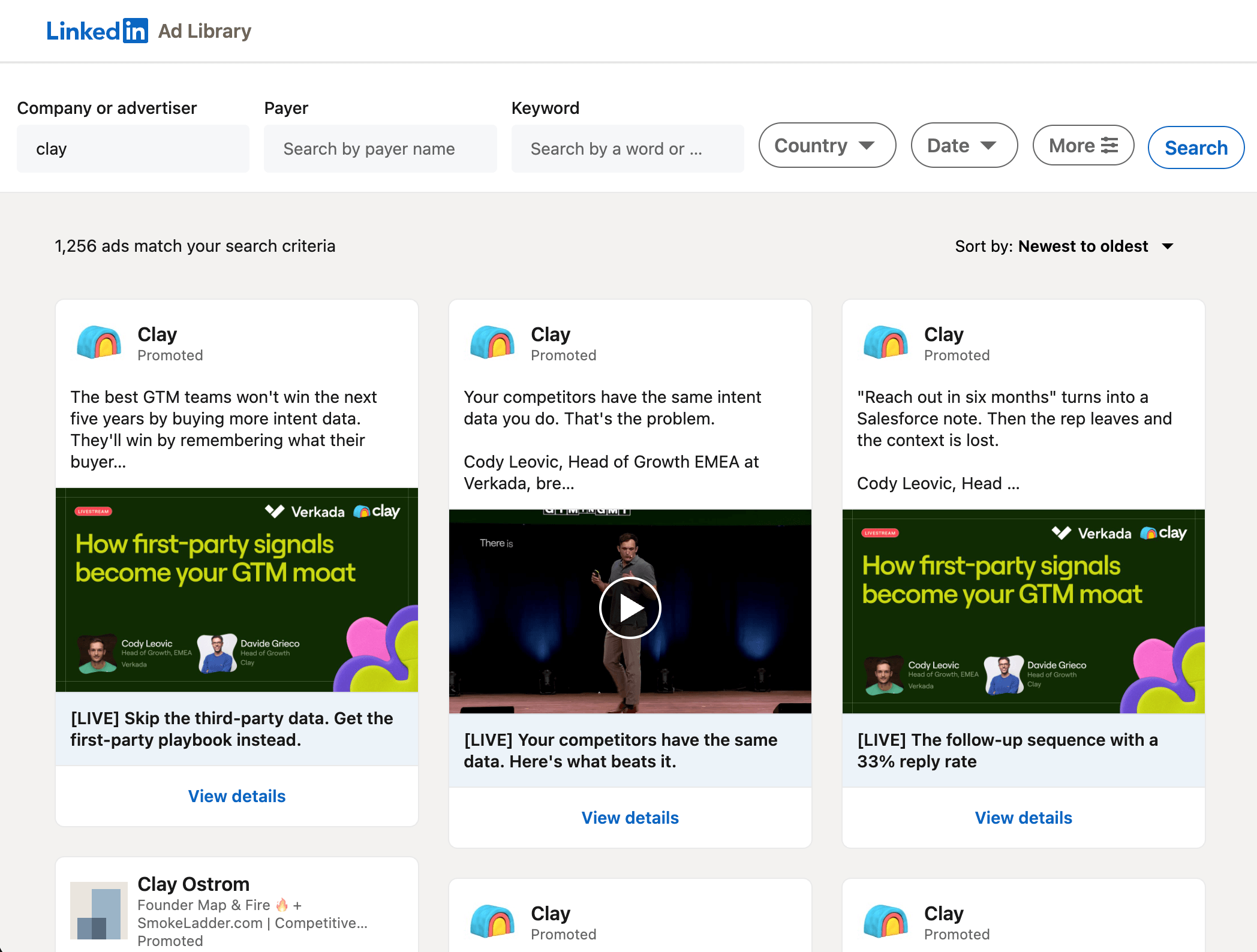
For example, a quick scroll through Clay’s LinkedIn ad examples tells me that they run lots of webinars w/ partners and creators, and publish in-depth industry reports.
6. Prioritise quality over quantity
“This marketing channel doesn’t work for us.”
Sounds familiar?
Sometimes, it’s fair to scrap a marketing channel (or experiment) and admit defeat.
More often, marketers say “it’s not working” after testing a channel for 72 hours.
Don’t scrap a marketing channel because of your own scrappy work.
Give it at least 30 days of hard work.
Another problem I often see during marketing audits is the low quality of marketing assets.
I’ve seen dozens of company blogs that have 50+ articles. But none of them is actually good… Nor ranks on the 1st page of Google search results.
By “actually good” I mean the best article that exists on the given subject.
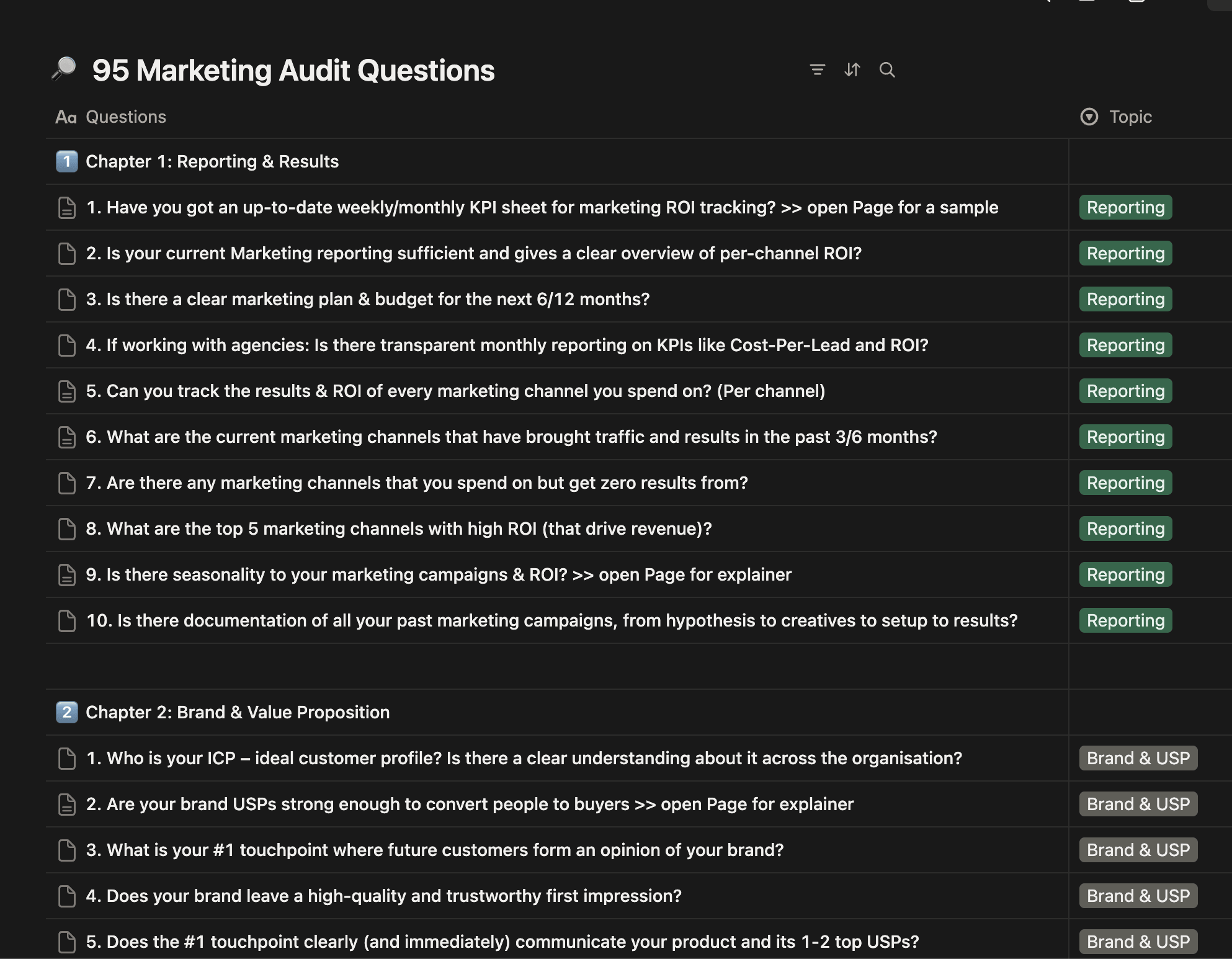
For example, when compiling my free library of 95 marketing audit questions, I didn’t leave it at 15. I went all the way, creating the most extensive resource on the subject.
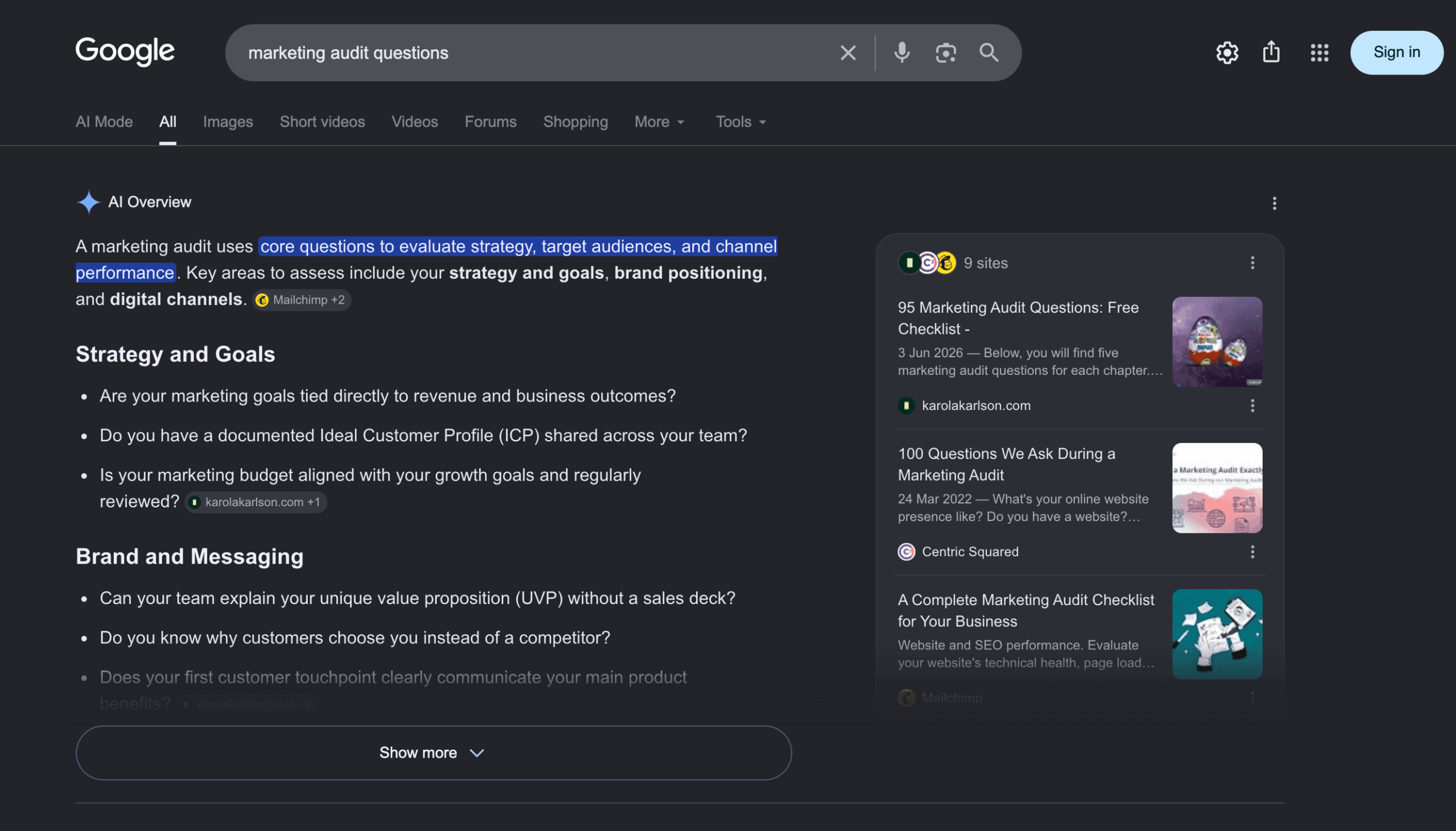
It’s the #1 search result for the Google query of “marketing audit questions.” And the first resource quoted in the AI summary.
(I tested in an incognito window to remove search bias. Do it whenever checking your own keyword rankings.)
Quality work pays off.
One thing that’s changed between 2015 and 2026 is the level of quality people expect from brands.
Nobody needs more low-quality slop. There’s already too much in the world.
On the other hand, it’s so easy to feel like you have to do something. Because, like other human beings, you encounter 100x more cool stuff daily than you used to five years ago.
Don’t fall into the good marketing anxiety trap.
Instead of despairing “there’s so much good stuff out there, how can I even compete?” take a step back from the noise.
Zone out. Book a 4-hour slot to think. And come up w/ something that’s valuable to your ICP that you can deliver.
That something probably isn’t something you can create in 10 minutes w/ an AI tool. If it is, it already exists.
It’s the slow, focused, demanding work that translates into high-quality marketing assets and campaigns.
I’m not saying “original” on purpose. I don’t believe that in 2026, originality matters as much as quality and craft.
Spend more time on creating quality marketing assets (articles, landing pages, ad creatives, PR stunts, newsletters, etc.) rather than launching semi-good ones.
Read more: Dismantling the AI Marketing Mammoth
7. Multiply your marketing budget 5-10x
Hot take, I know.
Isn’t an early-stage startup supposed to be… FRUGAL?
Well, yeah.
But the thing it needs to be frugal about is not money. It’s time.
Each month that your company fails to grow exponentially, you’re burning your funding on team salaries, office rent, software licenses, etc.
I’ve seen so many startups die slowly while playing it safe.
And so have you.
The whole point of having an investment (vs bootstrapping) is to grow fast.
Early-stage companies are like ice cream. : p
You either go all in or watch it melt through your fingers and stain the floor (your reputation).

Would you rather work w/ a second-time founder (or founding marketer) who…
a) Made bold early bets which didn’t work out, and failed in 12-24 months.
b) Kept the company barely functioning for 10 years, then folded.
I know which one I’d prefer.
A lot of the time, the best moat for tech companies is being the first to take the market.
Chances are that you’re underspending on marketing and expansion.
Here’s how I think about early-stage growth investment:
- Spend cautiously until you’ve found your product market fit, positive marketing ROAS, and functioning growth loops.
- Once you’re growing organically (word of mouth, referrals = people love your product), 5-10x your marketing budget and expand to new markets fast.
For example, here’s Klarna’s expansion timeline.
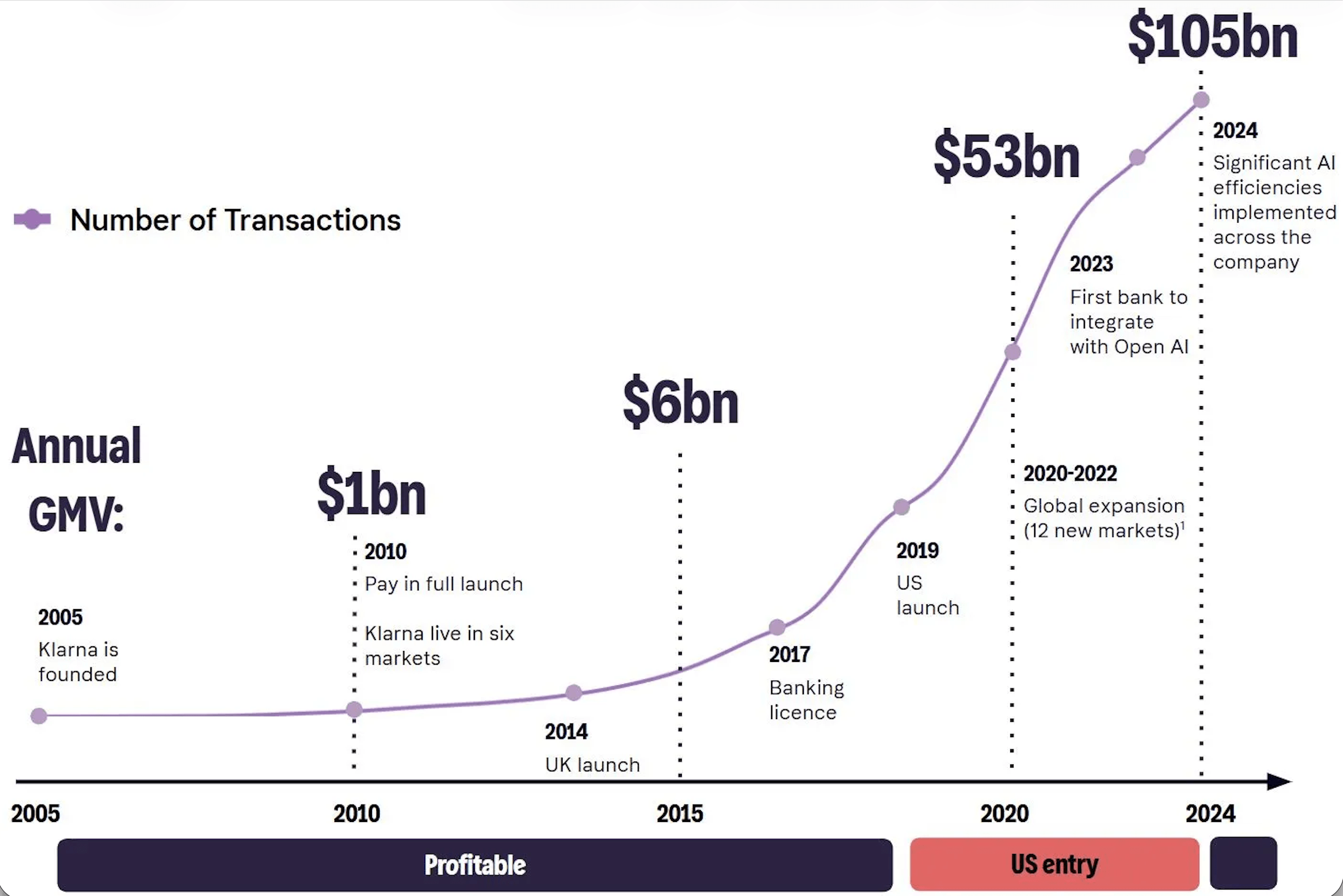
Note when profitability arrives. Source
8. Build growth loops. 1 user » 1.5-2.5 users
All successful tech companies have a growth loop built into their product.
A growth loop means that every new user you bring into your product will invite others.
It also means that if you spend €50 to bring in a new active user via paid ads, the CAC (customer acquisition cost) gets diluted once they bring other people into your product.

The most obvious growth loop is referrals. But there are many more.
Here’s an excellent article by Maja Voje on growth loops, including many examples.
9. Run 2 experiments/month, minimum
The best way to find things that work in the early stage is to experiment.
This applies to both marketing and product bets.
Rule #1 of experimentation: do it regularly and consistently.
In the past months, working on Roleo’s marketing and growth, I’ve run at least one Meta ads experiment every week.
There are weeks when the new ad creatives perform worse than the previous ones.
And then there are weeks when I discover a new creative that brings 2x as many new users at a 50% lower CAC.
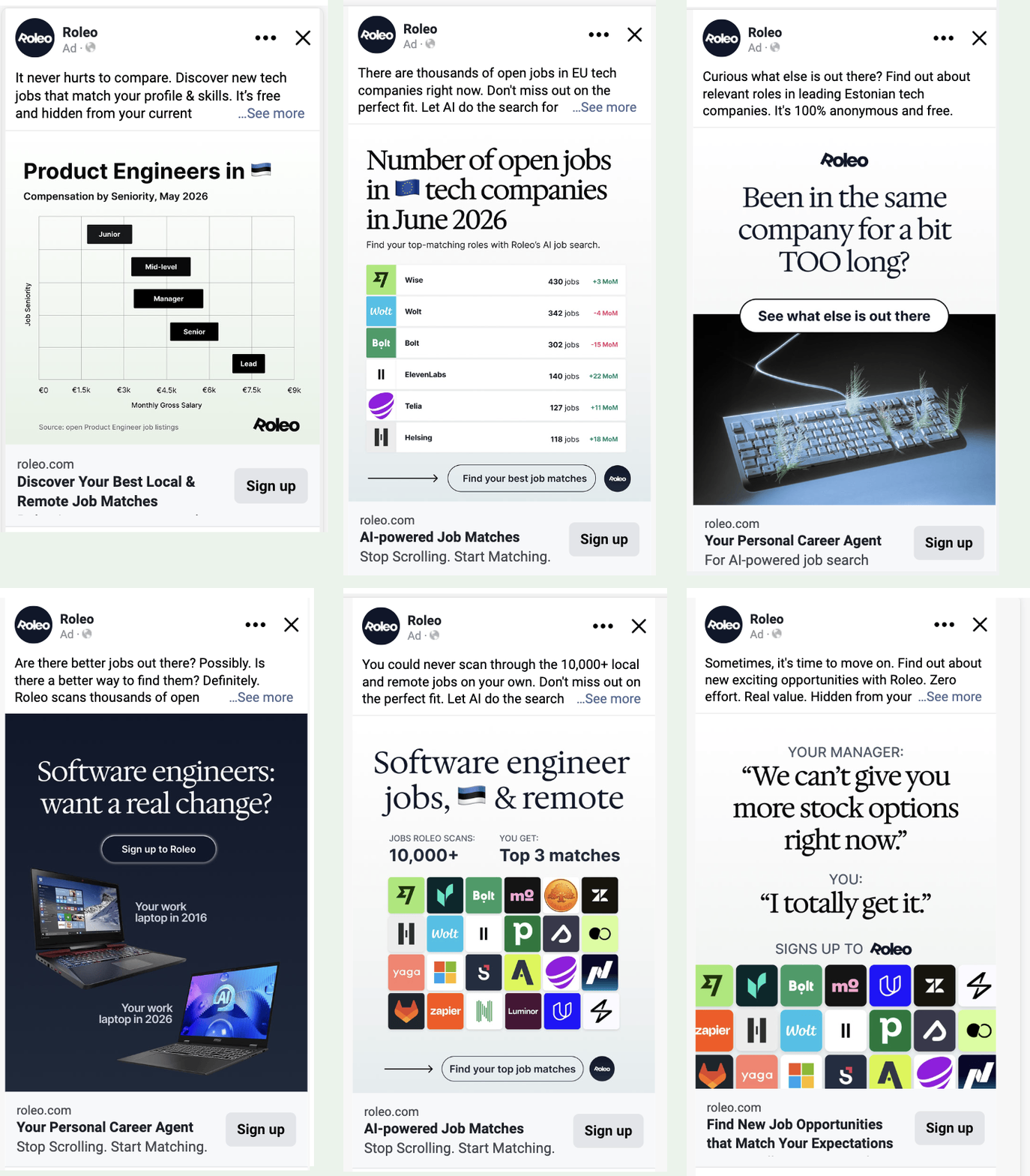
In just three months, I tested over fifty different Meta ad designs.
Rule #2 of experimentation: prioritise the “highs.”
Often, low-effort ideas get prioritised over high-effort and high-impact.
Stay alert to this trap.
Also, give priority to high-confidence ideas.
You have a solid understanding of your ICPs and their pain points. Trust your gut feeling. When in doubt, validate any new idea by talking to your users (and non-users).
My take on user interviews:
You want to talk to people who use and love your product.
But more importantly, you should talk to your ICPs who are not using your product to understand what you need to build and improve.
10. Don’t worry about monetisation (just yet)
Another controversial view, I’m aware.
“If people aren’t willing to pay for our product, there’s no product-market fit,” you might argue.
Yes, I agree to some extent.
But I’ve seen too many early-stage startups limit their early-stage growth with a bad monetisation model.
By “bad” I mean a pricing model that stops new customers from trying the product and stalls both supply and demand.
In the early stage, use your funding to grow, not to make back 0.1% of your potential future earnings.
In order to monetise a market, you first need to take it.
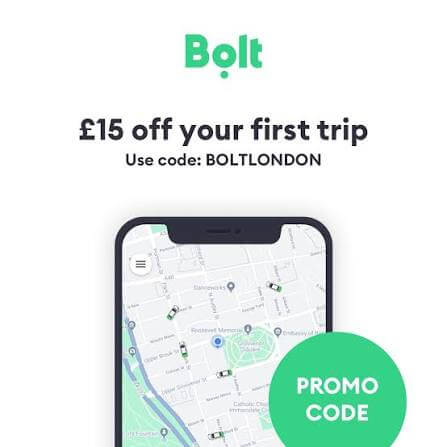
For example, when entering a new market, Bolt burned millions on rider discounts and driver bonuses before reversing the profitability chart.
If you think about fast-growth AI companies in 2026, they subsidise computing power, tokens, and software features.
Or they give consumers free agentic products that, in the background, cost them millions of €$£ in computing bills.
These companies will become profitable in 2 or 5 or 10 years.
But first, they focus on fast growth and taking the market. To build the moat that makes it nearly impossible for any new players to enter.
Next steps
Scroll back to the numbered list of 10 early-stage company marketing rules.
Take 10 minutes to reflect on them.
- Which ones do you already check?
- Are there any that might help you grow faster?
- Do you have the right team to implement them?
If you feel like talking to a marketing and growth expert, I’m open to 1-2 new consulting projects. Read more here.



 Facebook
 Instagram